Philippines Deregulates Small-Scale Solar Power Systems for Self-Consumption
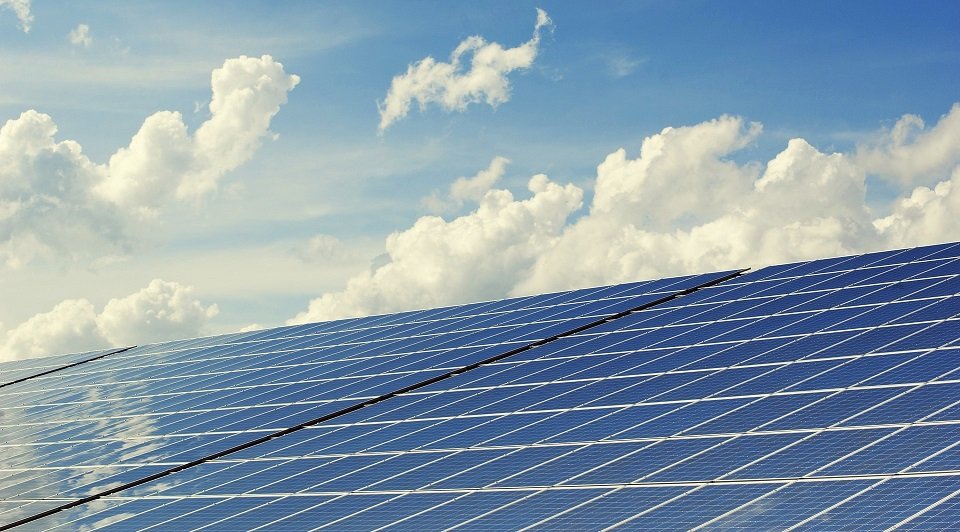
The Philippine Department of Energy (DOE) issued Department Circular (DC) No. 2026-08-0017, Policy Guidelines for Self-Generating Facility Zero-Export Solar Systems and Micro-Solar Systems for Own-Use, on August 5, 2026. The circular is based on the DOE Act (RA 7638), the Electric Power Industry Reform Act (EPIRA), the Renewable Energy Act (RA 9513), and other relevant legislation.
In addition, the Philippine Energy Plan (PEP) 2023-2050 sets targets to increase the share of renewable energy to 35 percent by 2030 and 50 percent by 2040, while also promoting the adoption, use, and wider deployment of renewable energy systems at the consumer level.
The circular takes effect immediately upon publication in either two newspapers of general circulation or the Official Gazette. It was published in the local newspapers BusinessWorld and Daily Tribune on August 5, 2026.
According to BusinessWorld, the circular streamlines pre-installation procedures for small-scale solar power systems, including Zero-Export Solar Systems (ZESS), by easing requirements related to prior approvals, technical permits, inspection fees, and other administrative processes. As a result, users will be able to adopt solar power systems more quickly.
Scope
The circular classifies solar photovoltaic (PV) systems for self-consumption into the following two categories:
- Self-Generating Facility Zero-Export Solar Systems (SGF ZESS)
- Grid-connected SGF ZESS equipped with control or disconnection mechanisms that prevent electricity export to the grid.
- Stand-alone SGF ZESS that operate independently.
Users of SGF ZESS will no longer be required to obtain a Certificate of Compliance (COC) from the Energy Regulatory Commission (ERC).
- Micro-Solar Systems (MSS)
Users of MSS will no longer be required to obtain either a building permit or a COC.
Coordination Among Relevant Agencies
The DOE is required to work with homeowners’ associations (HOAs), condominium associations, the Department of Human Settlements and Urban Development (DHSUD), and other government agencies responsible for overseeing building management to promote the deployment and installation of SGF ZESS and MSS on balconies, windows, designated building envelopes, rooftops, and other available areas. Such promotion is to proceed unless there is demonstrable evidence of structural risks or direct threats to public safety.
The DOE must also cooperate with the Department of Trade and Industry’s Bureau of Philippine Standards (DTI-BPS) to issue guidelines that include SGF ZESS and MSS components in the list of products subject to mandatory certification. This measure is intended to protect consumers from substandard solar power equipment.
Furthermore, the DOE is required to work with the Department of the Interior and Local Government (DILG) to develop unified guidelines for compliance by local government units (LGUs) within 60 days from the effective date of the circular.
Reference
The full text of the circular can be downloaded from:
- DC No. 2026-08-0017: Policy Guidelines for Self-Generating Facility Zero-Export Solar Systems and Micro-Solar Systems for Own-Use
https://prod-cms.doe.gov.ph/documents/d/guest/dc2026-08-0017-pdf
Related News Coverage
The BusinessWorld article is available at:
- DoE cuts red tape for small-scale solar systems
https://bworldonline.com/top-stories/2026/08/06/768376/doe-cuts-red-tape-for-small-scale-solar-systems/