China Integrates Regulations on Recycling of Spent Power Batteries Into a Single Regulation
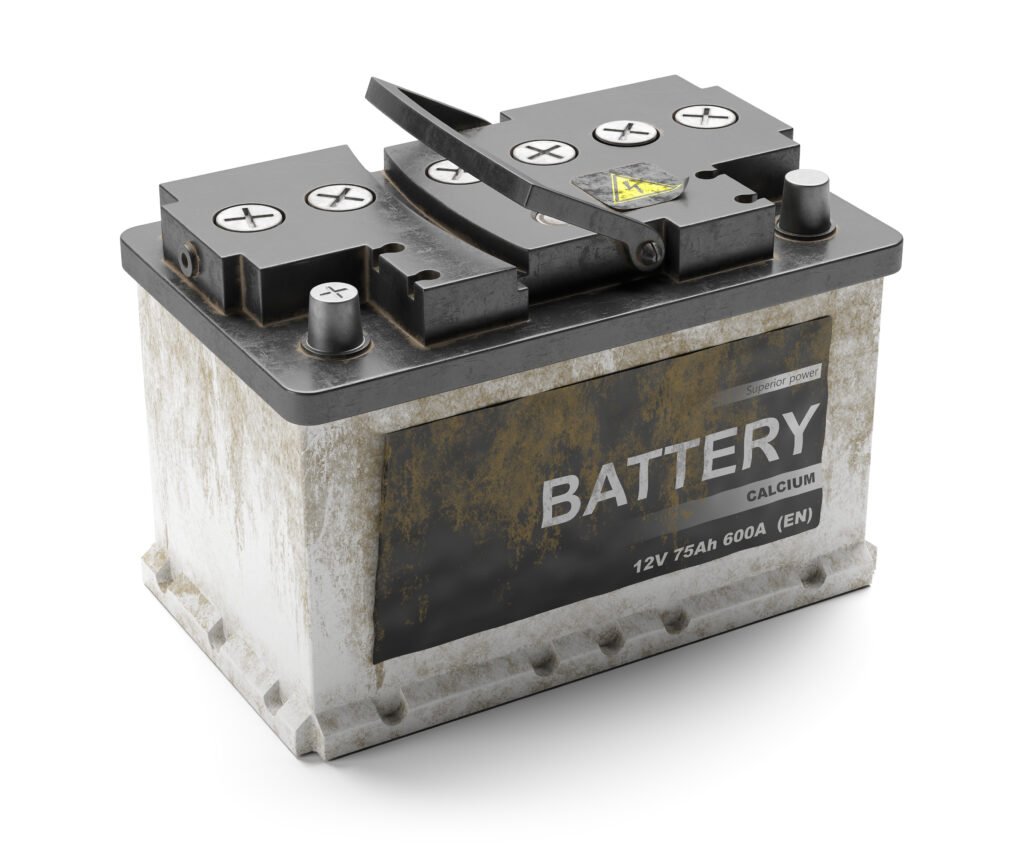
On January 16, 2026, China’s Ministry of Industry and Information Technology (MIIT), together with four other central government agencies including the National Development and Reform Commission and the Ministry of Ecology and Environment, issued the Interim Measures for the Administration of Recycling and Comprehensive Utilization of Spent Power Batteries from New Energy Vehicles (hereinafter “the Measures”). The Measures will take effect on April 1, 2026. They specify eco-design and extended producer responsibility (EPR) obligations for manufacturers and importers of power batteries and new energy vehicles (NEVs), and introduce both a “simultaneous scrapping system for vehicles and their power batteries” and a “digital identification management system.”
Background
According to estimates by relevant research institutions, China’s power batteries are entering a large-scale retirement period, and the annual volume of spent power batteries is expected to exceed 1 million tons by 2030. The Measures were formulated based on laws such as the Circular Economy Promotion Law and the Law on the Prevention and Control of Environmental Pollution by Solid Waste. Their objectives are to strengthen the recycling and comprehensive utilization of spent NEV power batteries, promote resource circulation, and prevent environmental pollution caused by improper disposal.
Extended Producer Responsibility (EPR) Requirements for Related Enterprises
Manufacturers and importers of power batteries, as well as manufacturers and importers of NEVs that are sold or used in China, are designated as responsible entities for the recycling of spent power batteries. Their primary responsibilities are summarized as follows:
- Eco-design
- Power battery manufacturers/importers: Must prioritize designs that enable easy disassembly, use materials that are recyclable and non-toxic or low in toxicity, and must not use toxic or hazardous substances prohibited by the government.
- NEV manufacturers/importers: Must adopt fastening and connection components for power batteries that allow safe maintenance and disassembly.
- Battery Coding Requirements
- Power battery manufacturers/importers: Must code batteries in accordance with the Coding Rules for Automotive Traction Batteries (GB/T 34014) and affix codes to battery cells and battery packs.
- NEV manufacturers/importers: Not applicable.
- Provision of Recycling-related Information
- Power battery manufacturers/importers: Must provide NEV manufacturers and automotive repair companies with battery codes and necessary dismantling technical information.
- NEV manufacturers/importers: Must disclose vehicle maintenance technical information timely and effectively in accordance with national requirements.
- Establishment of Recycling Networks
- Power battery manufacturers/importers: In provinces where they sell power batteries, must establish—independently or through entrusted entities—recycling service outlets for spent power batteries, in proportion to their sales volume.
- NEV manufacturers/importers: Must establish recycling service outlets for spent power batteries in prefecture-level cities where NEVs are sold, based on sales volume.
- Information Reporting
- Power battery manufacturers/importers: Must report the outbound information of spent power batteries generated during R&D, manufacturing, or repair to the information platform within 15 days after they are removed from storage.
- NEV manufacturers/importers:
- Must report technical information on battery disassembly and dismantling to the information platform within six months after obtaining NEV product access approval or compulsory product certification.
- Must report vehicle information—including vehicle type, name, brand, model, identification code, and battery code—within 20 days after issuing the certificate of conformity or completing customs inspection.
Introduction of the Digital Identification Management System
Article 12 of the Measures stipulates that China will establish a digital identification management system for NEV power batteries. The digital identification will contain information related to the classification, structure, disposal, and recycling of power batteries. Specific rules will be formulated separately later.
Introduction of the Simultaneous Scrapping System for Vehicles and Power Batteries
Article 21 of the Measures stipulates that when an NEV is scrapped, its power battery must be scrapped simultaneously. If the vehicle does not contain its power battery at the time of scrapping, it will be considered incomplete. Detailed rules under this system will also be developed separately. The purpose of this system is to prevent illegal reuse of power batteries, which has become a critical issue.
Implementation
The Measures will take effect on April 1, 2026. Upon implementation, the following current regulations will be repealed:
- Interim Measures for the Administration of Recycling of NEV Power Batteries
- Interim Provisions on the Traceability Management of NEV Power Batteries
- Guidelines for the Construction and Operation of NEV Power Battery Recycling Service Outlets
- Measures for the Administration of Cascade Utilization of NEV Power Batteries
The full text (in simplified Chinese) is available at the following link:
https://www.miit.gov.cn/gyhxxhb/jgsj/cyzcyfgs/bmgz/jdcjxl/art/2026/art_392462fdc40c415ea4a4129cac3028c2.html