China Issues Hazardous Chemicals Safety Law, Effective May 1, 2026
On December 27, 2025, at the 19th session of the Standing Committee of the 14th National People’s Congress, China adopted the Hazardous Chemicals Safety Law. The law will take effect on May 1, 2026. It consists of 10 chapters and 127 articles. This is China’s first law dedicated to the safe management of hazardous chemicals, elevating the regulatory framework beyond the long-standing Regulation on the Safety Management of Hazardous Chemicals. The new law significantly strengthens legislative principles, corporate responsibilities, permit systems, transportation management, supervisory mechanisms, and legal liabilities.
Regulated enterprises
The law applies to enterprises engaged in the production, storage, transportation, and use of hazardous chemicals, particularly chemical manufacturers, pharmaceutical producers, and logistics companies handling hazardous chemicals.
Key Changes Compared to the Previous Regulation
- Definition of Hazardous Chemicals
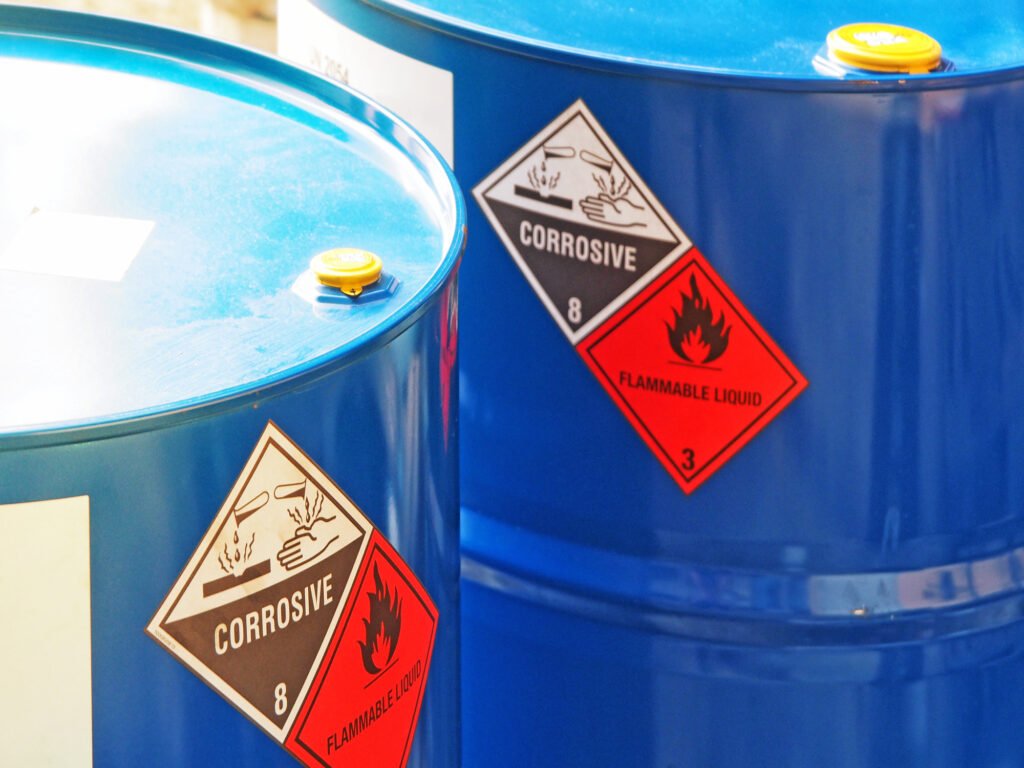
The law adopts a definition based on chemical properties, covering substances with toxicity, corrosiveness, explosiveness, flammability, or oxidizing characteristics that pose harm to humans, facilities, or the ecological environment, including highly toxic chemicals. If the hazardous properties of a chemical have not yet been determined, no entity or individual may engage in its production, storage, use, handling, or transportation without authorization.
The shift from a list-based approach to a property-based approach means that producing or using new chemicals with potential hazards—even if not listed—could result in suspension of operations, fines, or even criminal liability.
- Safety Responsibility
Responsibility extends beyond executives to include all personnel, from key managers to frontline workers. - Corporate Accountability
Companies handling hazardous chemicals must implement a comprehensive safety responsibility system, establish a dual prevention mechanism for risk management and hazard identification, and strengthen standardization and digitalization of safety practices. Principal managers bear full responsibility for their company’s hazardous chemical safety operations. A systematic upgrade of safety management systems is required; mere paperwork or posting regulations is insufficient. - Safety Assessment Report Disclosure System
The law adds requirements for making safety assessment reports publicly available. Enterprises producing or storing hazardous chemicals must commission institutions with qualifications meeting state requirements to conduct a safety assessment of their production safety conditions every three years and prepare a safety assessment report. - Industrial Parks
For the first time, chemical industrial parks are subject to legal regulation. New or expanded hazardous chemical production projects must be located within such parks, except for projects linked to other industries or those meeting national requirements. Non-chemical enterprises are prohibited from entering chemical industrial parks, except for service providers supporting chemical companies. Projects outside these parks may fail safety reviews, and existing projects could face relocation or closure. - Permits
The permit system now extends from production and handling to usage. Companies using hazardous chemicals above specified types or quantities must obtain a safety-use permit. - Highly Toxic Chemicals and Explosives Precursors
Purchasing or selling highly toxic chemicals or chemicals used to manufacture explosives requires permits or certificates under the law. Sales to individuals and online transactions are prohibited. Companies must verify, record, and retain transaction information for at least three years, up from one year under the previous regulation. - Penalties and Legal Liability
The law introduces a structure combining preventive measures and harsher penalties for severe outcomes. The crime of hazardous operations targets high-risk illegal activities before accidents occur, while crimes involving major responsibility or serious workplace safety accidents impose severe penalties when incidents result in significant consequences. Key and directly responsible personnel face substantial administrative fines, suspension orders, corrective actions, and qualification restrictions.
The full text of the law (in simplified Chinese) is available at:
http://www.npc.gov.cn/npc/c2/c30834/202512/t20251227_450708.html