India to Mandate Labelling and Disclosures for EV & Industrial Batteries
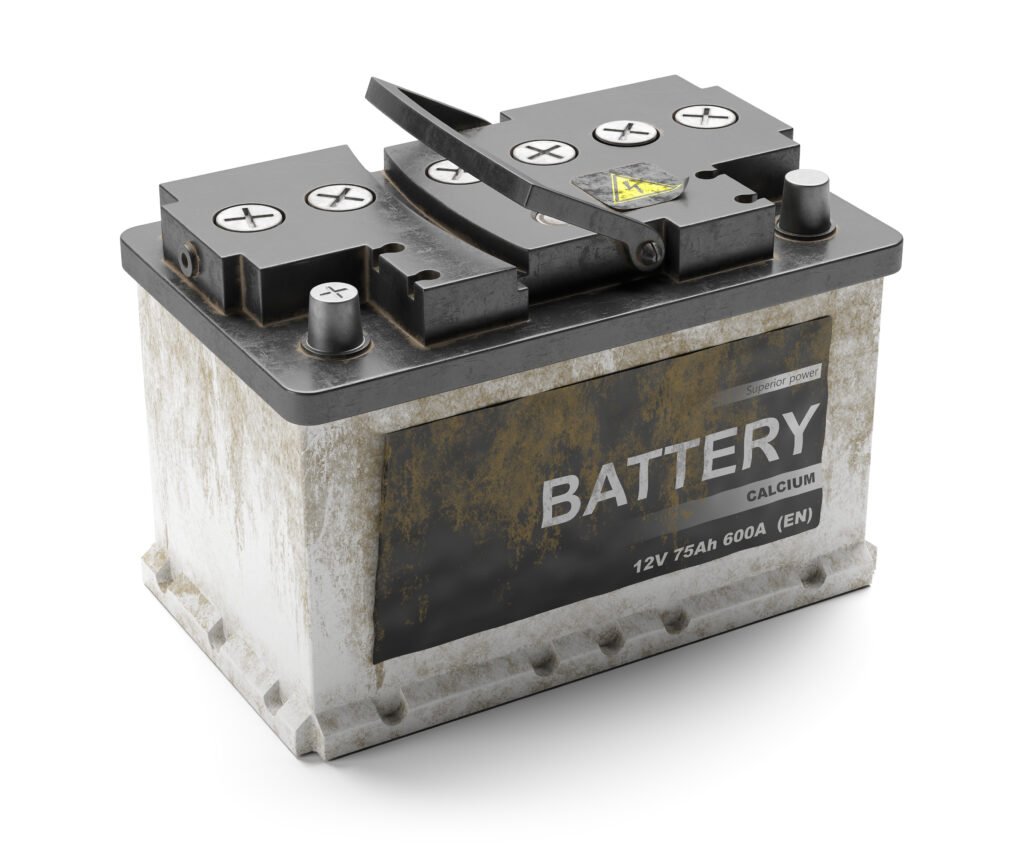
On December 30, 2025, the Indian Ministry of Road Transport and Highways released a draft of the Guidelines for Implementation of Battery Pack Aadhaar System. This proposal will mandate information disclosure for electric vehicle (EV) batteries and industrial batteries placed on the market or intended for self-use in the country. Required information includes chemical composition, materials, carbon footprint data across the entire life cycle etc., spanning from selection of material to disposal. Additionally, certain dynamic data such as the battery’s state of health must be updated regularly.
No public consultation period has been established for this draft. Instead, the guidelines will be referred to the Automotive Industry Standards Committee (AISC), where further discussions involving relevant stakeholders will take place. The Ministry recommends that these provisions be institutionalized as an Automotive Industry Standard (AIS) rather than being integrated into the Battery Waste Management Rules, 2022.
Scope
The scope of the guidelines include:
- Electric Vehicle Batteries of category L (two-wheeler), M (four-wheeler for carry of passenger) and N (four-wheeler for carry of goods)
- Industrial Batteries with capacity more than 2kWh
All batteries will have a unique serial number “Battery Pack Aadhaar Number (BPAN)”assigned to them, where each battery producer or importer shall display the number as well as a corresponding QR code to each battery. Definition of Producers and Importers, which are different than in the Battery Waste Management Rules, 2022, are as follows:
- Battery Producer / Battery Manufacturer: A legal entity that produces a battery and sells it under its own brand name or trademark as defined in this document.
- Importer: A responsible person for bringing batteries into a country or region, ensuring compliance with all applicable safety, labelling, packaging, and documentation standards.
Disclosures
Disclosures are classified into the following 6 categories as shown in table below. All available information shall be made accessible via the BPAN number and the QR codes, through a dedicated portal developed by the ministry. Data access are also divided into “Public” and “Private”, where data of the latter are accessible only to authorized entities such as service providers, recyclers, producers, or other approved stakeholders. Private limited information are underlined.
| Categories | Parameters |
|---|---|
| Battery Manufacturer Identifier |
|
| Battery Descriptor |
|
| Battery Identifier |
|
| Battery Material Composition |
|
| Battery Carbon Footprint |
|
| Battery Dynamic Data |
|
Download the draft guidelines from link below:
https://morth.nic.in/sites/default/files/Battery%20Pack%20Aadhaar%20Guideline_30122025.pdf
EnviX Comment
The draft guidelines did not specify a legislation for which the guidelines will be enforced, leaving the legal binding force unclear. Even if established as an AIS, there may be a high probability that the guidelines will remain voluntary unless mandated by related legislation, such as the Battery Waste Management Rules, 2022, or the Motor Vehicles Act, 1988. For example, Part 1 of AIS-129 regarding End-of-Life Vehicles (ELV) became a legally binding obligation only after being incorporated as a provision within the Environment Protection (ELV) Rules, 2025. Furthermore, since AIS is an industrial standard specifically for the automotive sector, inclusion of provisions for industrial batteries may deviate from the core purpose of the AIS and may cause confusion among industrial battery producers.
Given the information currently available, it is inferred that this guidelines will likely begin as a voluntary scheme. Depending on the response and compliance levels within the automotive and battery industries, relevant legislation may be amended in the future to transition into a mandatory system. Companies related are advised to closely monitor further developments.