New South Wales Promulgates Product Lifecycle Responsibility Regulation 2026, Targeting Batteries
On February 20, 2026, the Australian state of New South Wales (NSW) promulgated the Product Lifecycle Responsibility Regulation 2026. This regulation implements the Product Lifecycle Responsibility Act 2025 and is scheduled to take effect on October 1, 2026. The primary focus of the regulation is batteries; brand owners—defined as those who supply products to the market—are required to join a Product Stewardship Organisation (PSO). Both brand owners and PSOs must publish action plans and reports demonstrating how they meet regulatory requirements.
Regulated Batteries
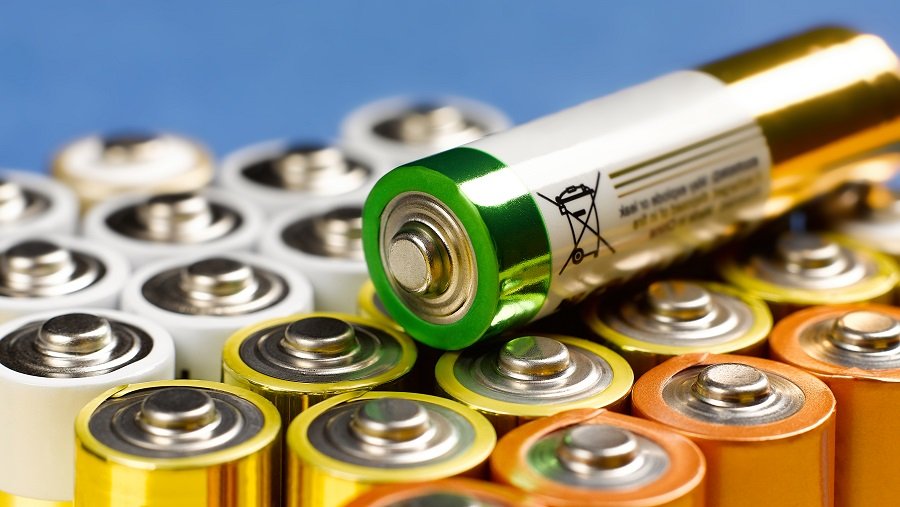
The batteries subject to this regulation include:
- The following battery sizes:
- AAA,
- AA,
- C,
- D,
- 9 volt,
- 6 volt lantern,
- a button battery or button cell battery,
- a removable rechargeable battery weighing 5 kg or less,
- a rechargeable battery used to power an e-micromobility device (if it it is not practicable to remove a regulated battery from an e-micromobility device, the e-micromobility device is taken to be a regulated battery),
- a portable power bank weighing 5 kg or less.
The following are excluded from the regulation:
- lead-acid batteries,
- mobile phone batteries,
- laptop or tablet batteries,
- back-up batteries incorporated in emergency lighting systems.
Obligations for Brand Owners
Brand owners supplying batteries to NSW must join a designated PSO. Under Schedule 2, the brand owner or PSO must publish an action plan and reports containing the information below. These plans require approval from the NSW Environment Protection Authority (EPA).
Action Plan:
|
Annual Report:
|
Quarterly Report:
|
Product Lifecycle Responsibility Act 2025
Promulgated on April 9, 2025, this Act establishes a product stewardship framework for brand owners of specified products. When a product is regulated under this Act, brand owners or PSOs must:
- meet product stewardship requirements and/or targets
- prepare an action plan, submitted in an approved form and approved by the EPA before a regulated product is supplied in or into NSW
- notify the EPA or relevant product stewardship organisation before they first supply
- provide an annual report to the EPA, using an approved form
- prepare, store and make certain records available to the EPA on request
- comply with directions from the EPA, including a stop notice or request for an independent audit of their records
- provide a financial assurance to secure or guarantee funding for implementing actions needed to meet product stewardship requirements or targets.
Related Links
- NSW EPA Product Stewardship Schemes:
https://www.epa.nsw.gov.au/Your-environment/Recycling-and-reuse/warr-strategy/product-stewardship-schemes - Product Lifecycle Responsibility Regulation 2026:
https://legislation.nsw.gov.au/view/html/inforce/current/sl-2026-0047 - Product Lifecycle Responsibility Act 2025 No 22:
https://legislation.nsw.gov.au/view/whole/html/inforce/current/act-2025-022